

The Words Your Customer is Already Typing (And You’re Not Using)
Introduction:
Launching a business, designing a website, or setting up social media campaigns feels amazing. Your logo looks sharp, your services are locked in, and your value proposition is crystal clear. But weeks go by, and the traffic isn't hitting. The issue? You are likely describing your business from your perspective, rather than matching the mindset of the person holding the wallet.
In the digital landscape, if you aren't aligning with your customer's search intent, you are practically invisible. Today, we’re breaking down a practical, 20-minute exercise using two free tools you already know but might be underutilizing: Google Autocomplete and Google Trends.
Tools that will get the job done for you
Tool 1: Google Autocomplete (The Mind Reader)
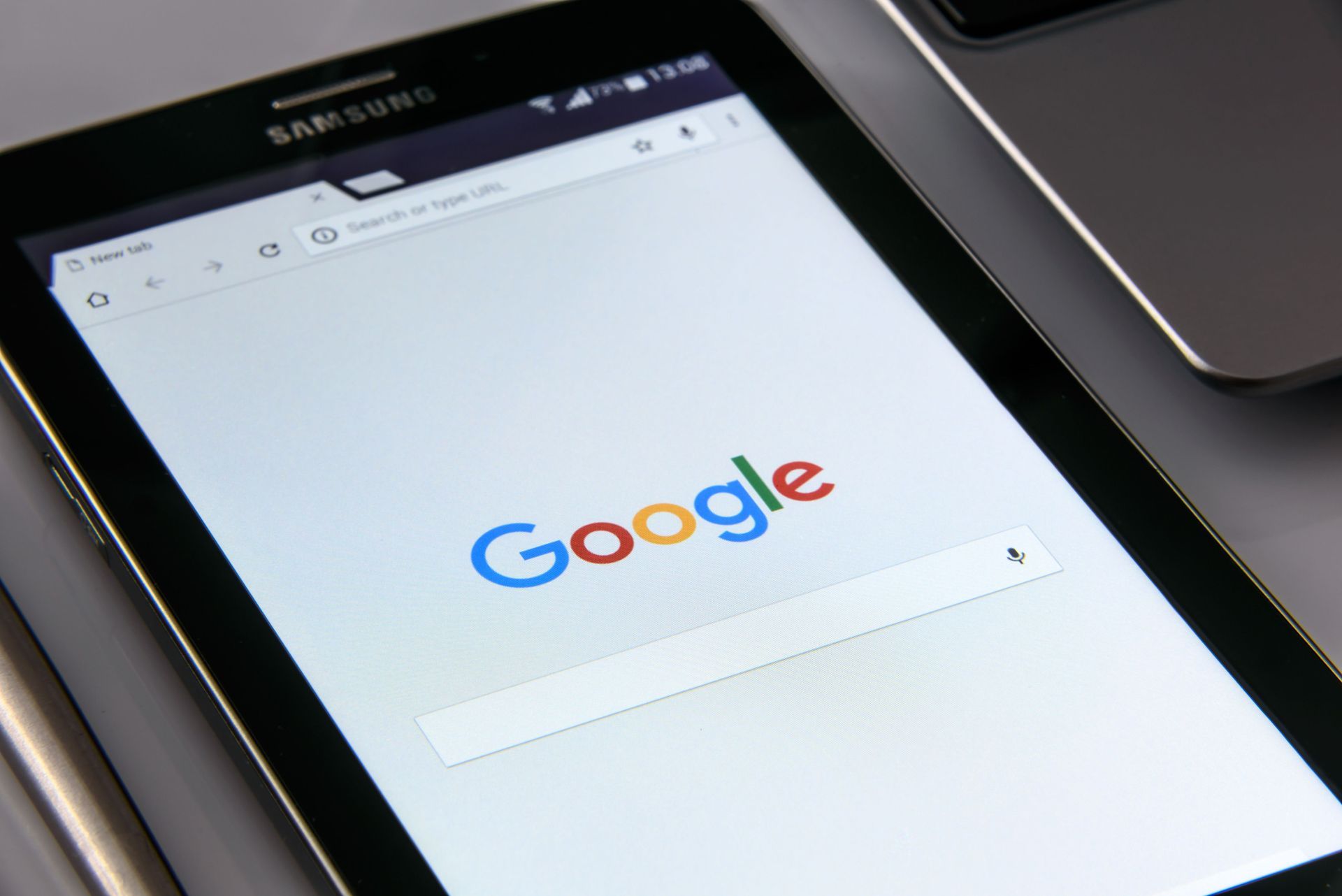
When you start typing into Google, the search engine tries to guess your next move. That’s not magic; it’s real-time, raw data from thousands of users searching for the exact same thing.
The 5-Minute Exercise: Open an incognito browser window. Type a core keyword from your industry, but don't hit "Enter". Check out the predictions.
[Insert screenshot: Google search bar showing autocomplete predictions for "latin food in..."]
If you sell empanadas in Montreal, don't just search for "culinary branding" or "Latin food." Type "empanadas in..." or "where to buy arepas...". That’s where you spot the market gaps. Your client isn't looking for "traditional culinary experiences"; they are typing "frozen empanadas delivery." Those are the exact words you need to adopt.
Tool 2: Google Trends (The Market Thermometer)
Are you generating content or running ads for the right services at the right time? Google Trends highlights search volume interest over time.
The 5-Minute Exercise: Go to Google Trends, enter two terms you frequently use, and compare which one commands more traction in your target geographic region.
[Insert screenshot: Google Trends graph comparing "brand identity" vs "logo design"]
As business owners, we often get too technical. A designer might try to rank for "Corporate Identity System," while a local entrepreneur is desperately typing "how to get a logo for my business." Trends keeps your vocabulary grounded in reality.
Industry Examples in Action
To see how this shift in perspective works, take a look at these three real-world scenarios:
| Industry | What the Business Says (Common Mistake) | What the Customer Types (Opportunity) |
|---|---|---|
| Restaurant / Food Business | "Elevated Latin cuisine featuring local ingredients" | "Colombian empanadas near me", "Gluten-free arepas delivery" |
| Beauty & Wellness | "Specialists in advanced hair aesthetics" | "Best balayage in [Your City]", "Treatment for dry hair" |
| Professional / Freelancer | "Branding consultancy and digital optimization" | "Product label design", "Affordable websites for small businesses" |
The 20-Minute Checklist: Where to Place Your Keywords
Once you uncover these high-value keywords, don’t leave them sitting in a notebook. They need to go live across your digital touchpoints today. Here is your action plan:
- [ ] Instagram Bio: Ditch abstract taglines like "We weave visual magic." Swap it for: "Graphic design & branding for food businesses in [Your City]".
- [ ] Website Main Header (H1): This is Google's primary focal point. Instead of "Welcome to our studio," use "Web Design & Logos for Entrepreneurs".
- [ ] Google Business Profile Description: This drives your local SEO. Ensure your first two paragraphs include your city and core product: "The best frozen empanadas and arepas in [Your Area]".
Digital success isn’t about who uses the fanciest vocabulary; it’s about who answers the user's question quickest. At Clip Media, we know that beautiful visual strategy without clear communication is just window dressing.
💻Take 20 minutes today to realign your message!